How to avoid gambling addiction online
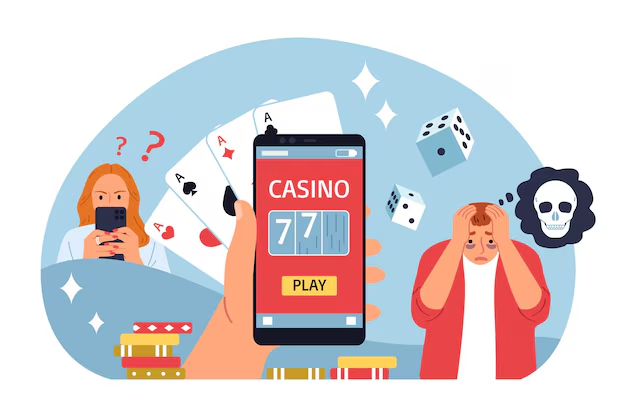
Set clear limits on your gambling time and spending. Decide in advance how much money and time you will invest in online gambling, and stick to these limits rigorously. Use tools provided by online platforms to help track and control your activity.
Understanding how to approach online gambling responsibly is crucial for ensuring a positive gaming experience. Setting a strict budget and adhering to predetermined limits will help manage your finances effectively. It's essential to stay in tune with your emotional responses during gaming sessions; if you feel anxious or stressed, taking breaks can be beneficial. Engaging with a supportive community, whether through friends or dedicated groups, can provide valuable perspective and encouragement. For further insights on maintaining responsible gaming habits, explore articles on effective strategies by visiting clubregentcasino.com. Staying informed is key to enjoying gambling while keeping it in check.
Engage in other hobbies and activities to fill your time. Diversifying your interests reduces the likelihood of falling into the trap of excessive online gambling. Consider exploring sports, reading, or learning new skills that can provide fulfillment and excitement outside of gambling.
Stay aware of the signs of addiction. Look for warning signals such as gambling to escape from problems, lying about gambling activities, or neglecting responsibilities. Recognizing these behaviors early can prompt you to take action before they escalate.
Discuss your gambling habits openly with trusted friends or family. Sharing your experiences creates a support network that encourages accountability and provides perspective. Consider joining support groups where you can share and learn from others facing similar challenges.
Educate yourself about responsible gambling practices. Familiarize yourself with the odds and house edge for the games you play. Understanding the mechanics of gambling helps to ground your expectations and reinforces responsible decision-making.
Set Strict Time Limits for Gaming
Establish a fixed schedule for your gaming sessions, allocating specific start and end times. For example, set a rule to play only on weekends or allow yourself just an hour on weekdays. Consistency fosters discipline.
Use timers or alarms on your phone or computer to remind you when your gaming session is about to end. This creates a sense of accountability and helps prevent prolonged play.
Consider using apps that track your gaming time. These tools can provide insights into your habits and help you stick to your limits. Regularly evaluate your gaming duration and adjust as necessary based on your comfort level.
Communicate your gaming schedule with family or friends. Their support can make it easier to adhere to set limits. Plus, they can join you in social activities outside of gaming.
Reward yourself for sticking to your limits. After successfully cutting back on your gaming, treat yourself to something enjoyable outside of gaming–like a movie or a nice meal.
Reflect on how you feel after each gaming session. If you often feel anxious or upset afterward, it may be time to readjust your limits further. Listening to your feelings can guide you toward healthier gaming habits.
Lastly, remember that it's okay to take breaks from gaming altogether. If you find it difficult to adhere to your limits, consider stepping away for a short period to reset your relationship with gaming.
Understand the Risks of Online Betting
Recognize that online betting carries significant risks, particularly regarding financial loss. Set a strict betting budget and stick to it; never wager money you can’t afford to lose. Tracking your spending helps maintain control and fosters responsible gaming habits.
Stay aware of the psychological effects. The thrill of winning can create a false sense of confidence that may lead to chasing losses. Acknowledge that gambling is a game of chance rather than skill. This means you can never guarantee a win, and accepting losses is part of that reality.
Watch for signs of problematic behavior. If you find yourself gambling more often or feeling anxious about your betting activities, it's time to reassess your approach. Take breaks to avoid impulsive decisions, and reflect on how gambling impacts other areas of your life.
Utilize resources and tools offered by many online platforms. These may include self-exclusion options and deposit limits, designed to help you manage your gambling habits effectively. Familiarize yourself with these features and take advantage of them when needed.
Lastly, educate yourself about the odds and payout structures of the games you play. Understanding the mathematics behind betting can help you make informed choices and reduce the likelihood of experiencing unexpected losses.
Utilize Self-Exclusion Tools on Gambling Sites
Implement self-exclusion tools available on gambling sites to take proactive control of your gambling habits. Most reputable platforms offer options to set limits on your playtime or even to exclude yourself for specific periods. Use these features to minimize your exposure and keep your gambling activities in check.
Set clear time limits each session and reflect on your experience. If you feel the urge to play beyond these limits, consider extending your exclusion period. This self-imposed break helps in recognizing triggers and managing urges effectively.
Take advantage of notifications that some sites provide. These alerts can remind you when you are close to reaching your limits or when a self-exclusion period is nearing its end. Learning to listen to these prompts can be a helpful tool in creating healthy boundaries.
Connect with customer support if you encounter difficulties or have questions regarding these tools. They can provide guidance on how to properly activate and manage your self-exclusion settings. Knowing you have support can make the process feel less daunting.
Encourage friends or family to get involved by sharing your goals around self-exclusion. Having a support system can reinforce your commitment and provide accountability. This added layer of encouragement helps in remaining disciplined during challenging moments.
Lastly, keep in mind that self-exclusion is not a permanent solution. Reassess your relationship with gambling periodically. If you find that your behaviors shift or you feel comfortable returning, approach this with caution and awareness of your past experiences.
Establish a Budget for Gambling Expenses
Set a clear budget for your gambling activities before you begin. Determine an amount you can afford to lose without affecting your daily living expenses. Be specific; make a plan that includes how much you will spend per week or month. This creates a boundary that helps you manage your finances better.
Track your gambling expenses diligently. Use a notebook or an app to record each session's amount spent. This will help identify patterns in your spending and keep your budget in check. If you notice you exceed your budget, reassess your limits and adjust accordingly.
Consider using cash instead of credit or debit cards. Withdraw your gambling budget in cash and leave your cards at home. This physical limitation can prevent overspending and reinforce the budget you've set.
Include a 'cooling-off' period in your budget strategy. Decide on a specific time where you will not gamble, allowing yourself to evaluate your finances and emotional state. This breaks the cycle of impulsive betting and encourages healthier habits.
Lastly, involve a trusted friend or family member in your budgeting plan. Share your goals and limits with them, as accountability can help you stick to your budget and make more rational decisions about gambling.
Seek Support from Friends and Family
Share your struggles with trusted friends or family members. Honest communication creates a support system that helps you stay accountable. Let them know your goals for reducing gambling and ask for their encouragement.
Engage your loved ones in activities that don’t involve gambling. Find hobbies or sports that allow for quality time and bonding without the temptations of online betting. This shift can lighten your mood and improve your well-being.
Consider joining a local or online support group where you can connect with others facing similar challenges. Hearing stories and strategies from those who understand your situation can provide valuable insight and motivation.
Encourage your support network to check in with you regularly. Set up brief catch-ups to discuss your progress and feelings associated with gambling. This accountability can deter you from slipping back into old habits.
Celebrate your milestones, no matter how small. Allow your friends and family to be part of your achievements. Their pride in your progress can further motivate you to maintain a positive path.
Be open to receiving feedback from your loved ones. They might notice patterns or behaviors that you overlook. Their perspective can help you stay aware and informed about your actions.
Seek professional help if needed. Sharing this intention with loved ones can encourage them to support your decision and accompany you on this journey to healthier habits.
Engage in Alternative Activities and Hobbies
Spend time on physical activities like walking, cycling, or joining a local sports team to boost your mood and keep you active. Regular exercise releases endorphins, which can reduce cravings for gambling.
Explore creative outlets such as painting, writing, or playing an instrument. These activities allow for self-expression and provide a productive way to channel energy, keeping your mind engaged and away from gambling thoughts.
Consider volunteering in your community. Helping others not only enriches your life but also enables you to connect with different people and focus on positive experiences.
Try cooking or baking new recipes. This hobby can be both enjoyable and fulfilling, giving you a chance to experiment and enjoy the results of your efforts.
Join a book club or start reading different genres. Engaging with literature can transport you to different worlds and stimulate your imagination, offering an enriching alternative to gambling.
Participate in board games or puzzles with friends and family. These activities encourage social interaction and strategic thinking, creating a fun atmosphere that distracts from gambling urges.
| Activity | Benefit |
|---|---|
| Physical activities | Boosts mood and fitness |
| Creative pursuits | Encourages self-expression |
| Volunteering | Builds connections and purpose |
| Cooking | Fulfilling and enjoyable |
| Reading | Stimulates imagination |
| Board games | Encourages social interaction |
Stay connected with friends and family by engaging in group activities. Maintaining relationships can reduce feelings of loneliness and provide support, making it easier to resist the temptation of gambling.